
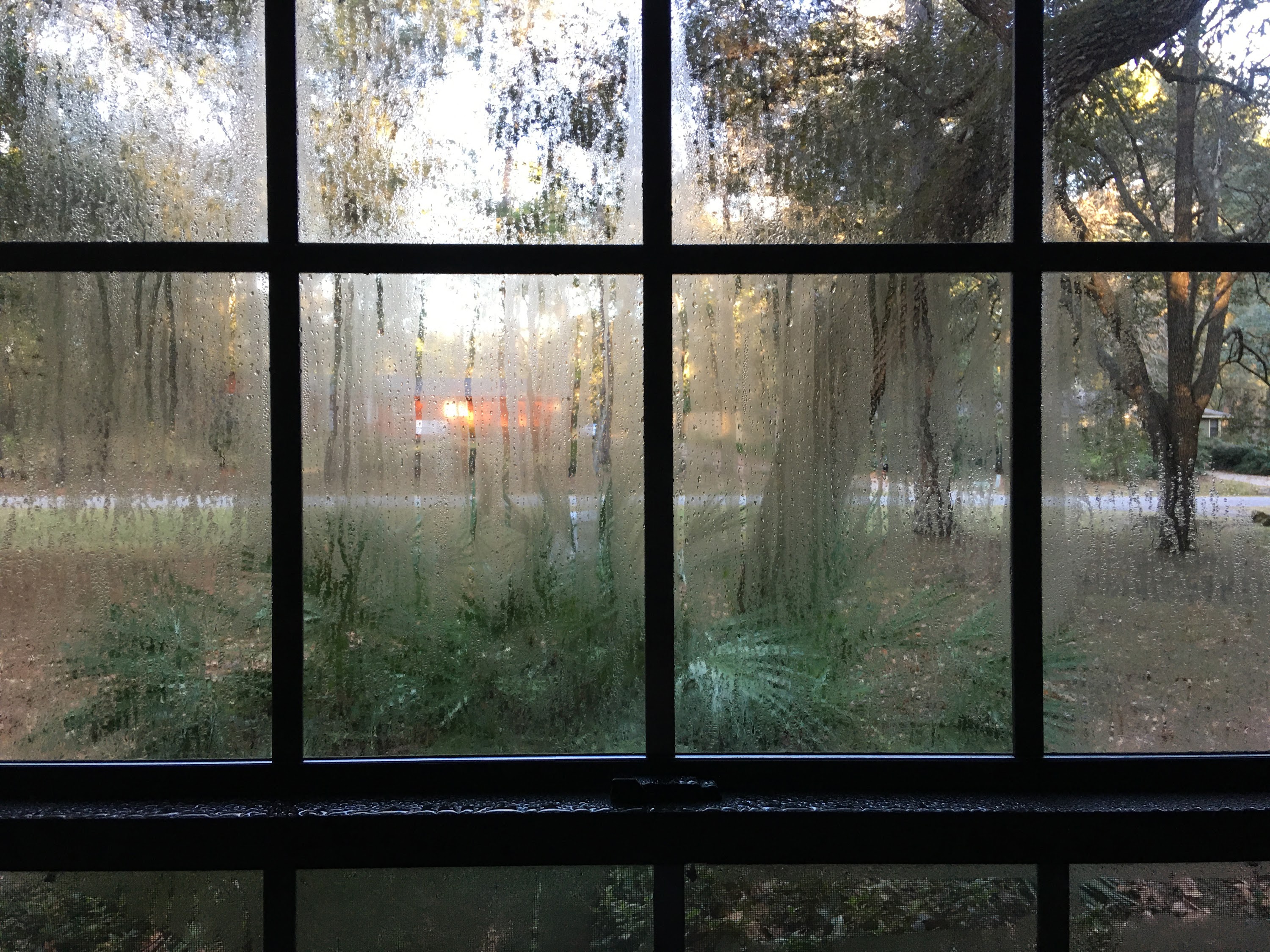
Tired of walking into a house that feels sticky and damp even though the AC has been running all day? Humidity problems can make a home feel uncomfortable fast, and lowering the thermostat usually does not solve the real issue.
At Stan’s Heating, Inc, we provide homeowners with long-term solutions that address airflow, moisture control, and HVAC performance. Call us today to schedule an appointment with one of our technicians.
What Is the Ideal Indoor Humidity Level?
If your house feels sticky even when the air conditioner is running, humidity is usually part of the problem. Indoor comfort is not only about temperature. Moisture levels matter too. In most homes, the ideal indoor humidity range falls between 40 and 50 percent. Once humidity starts climbing past 60 percent, the air can feel damp, heavy, and harder to cool.
High humidity in a house can also create problems beyond comfort. Windows may collect condensation. Towels and fabrics can feel damp longer than normal. Some rooms may develop musty odors, especially around bathrooms, basements, or closets with weak airflow. If the moisture level stays elevated for long stretches, mold and mildew growth become more likely. Allergy symptoms can also become harder to manage because humid air creates a better environment for dust mites and microbial growth.
Some people lower the thermostat, hoping colder air will solve the problem, though humidity and temperature are not the same thing. You may end up with a colder house that still feels clammy because the moisture issue was never addressed directly.
Why Your House Feels Muggy Even With the AC On
If your house feels muggy even if the AC is on, the cooling system may not be removing moisture the way it should. One common reason is short cycling. This is when an air conditioner turns on and off too quickly instead of running long enough to pull humidity out of the air. The unit cools the house fast, reaches the thermostat setting quickly, and shuts down before proper dehumidification happens.
Airflow problems can also affect humidity control. A dirty air filter, leaking ductwork, or air gaps around windows and doors can pull humid outdoor air inside faster than the system can remove it. Older equipment may also struggle to balance cooling and moisture removal during hotter months.
The evaporator coil also matters here. This is the indoor coil that absorbs heat from the air while the system runs. As warm indoor air passes across that cold coil, moisture condenses and drains away through the condensate line. If the coil gets dirty, starts freezing, or the drain line becomes clogged, humidity removal can suffer. A backed-up condensate line can even leave water trapped where it should have drained outside.
Quick Fixes That Can Help Reduce Indoor Moisture
If you are trying to figure out how to reduce humidity in house conditions without overcooling the space, a few smaller adjustments can help lower moisture levels. Bathrooms and kitchens release a surprising amount of humidity during daily use. Exhaust fans help move that moisture outside before it spreads through the house.
Laundry habits can also affect indoor humidity. Drying clothes indoors releases moisture directly into the air, especially during warmer months when humidity is already elevated outside. On humid days, even small things like long hot showers or boiling large pots of water can push indoor moisture levels higher than expected.
Air leaks deserve attention as well. Gaps around doors, attic access points, and older windows allow humid outdoor air to enter constantly during summer. That forces the HVAC system to work harder while still leaving the house feeling damp. You should also pay attention to the condensate line connected to the cooling system. This drain line removes moisture collected during the cooling process. If it becomes blocked, water removal slows down and humidity control suffers.
Dehumidifier vs. AC: Which One Makes More Sense?
The dehumidifier vs AC question can be confusing, because each system affects comfort in different ways. An air conditioner is designed mainly to cool the home. Moisture removal happens as part of the cooling process, though humidity control is not its primary function. A dehumidifier works differently. Its main job is removing moisture from the air, even when cooling is not needed. It does so directly without forcing the air conditioner to keep lowering the indoor temperature.
Whole-home dehumidifiers connect directly into the HVAC system and manage moisture throughout the house more evenly. These systems are often a stronger long-term option when humidity problems affect the entire home instead of one isolated space.
When Humidity Points to an HVAC Problem
Weak airflow, frozen evaporator coils, short cycling, or rooms that never feel dry can point toward larger HVAC problems. A frozen evaporator coil happens when airflow or refrigerant problems cause the coil to ice over instead of absorbing heat normally. Once that happens, both cooling and humidity removal suffer.
An oversized air conditioner can also create problems. Many homeowners assume bigger equipment cools better, though oversized systems often remove humidity poorly because they shut off too quickly. The house reaches the thermostat setting before enough moisture leaves the air. That creates a cold but damp indoor environment that never feels fully comfortable.
This is where professional evaluation matters. Humidity problems are not always caused by one single issue. Sometimes airflow restrictions, equipment sizing, insulation gaps, and moisture infiltration all contribute at the same time. A full assessment helps separate weather-related humidity from HVAC performance issues that need correction.
Long-Term Solutions That Improve Whole-Home Comfort
If indoor humidity problems keep returning every summer, long-term HVAC upgrades may provide better results than temporary adjustments alone. Variable-speed air handlers are one example. These systems run at lower speeds for longer periods, which improves moisture removal and creates more even comfort throughout the house.
Whole-home dehumidifiers work alongside the HVAC system and remove excess moisture throughout the house more evenly than portable units.
Air conditioning services that include routine maintenance are of the utmost importance. Dirty coils, restricted airflow, clogged drain lines, and aging parts can all reduce humidity control performance. Regular service helps the system maintain proper airflow and moisture removal before small issues grow into larger comfort problems.
Get More Comfortable Air Without Turning the Thermostat Down Further
If your house feels muggy with AC on, there are things that can be done. Sometimes the solution is as simple as improving airflow or correcting a clogged condensate line. Other homes benefit from equipment upgrades or whole-home dehumidifier systems. Stan’s Heating, Inc also provides AC repair services, indoor comfort solutions, and HVAC maintenance plan options that help homeowners stay ahead of humidity and airflow problems throughout the year.
If your house still feels damp no matter how low you set the thermostat, call Stan’s Heating, Inc and schedule a service call to get your indoor comfort back on track.
